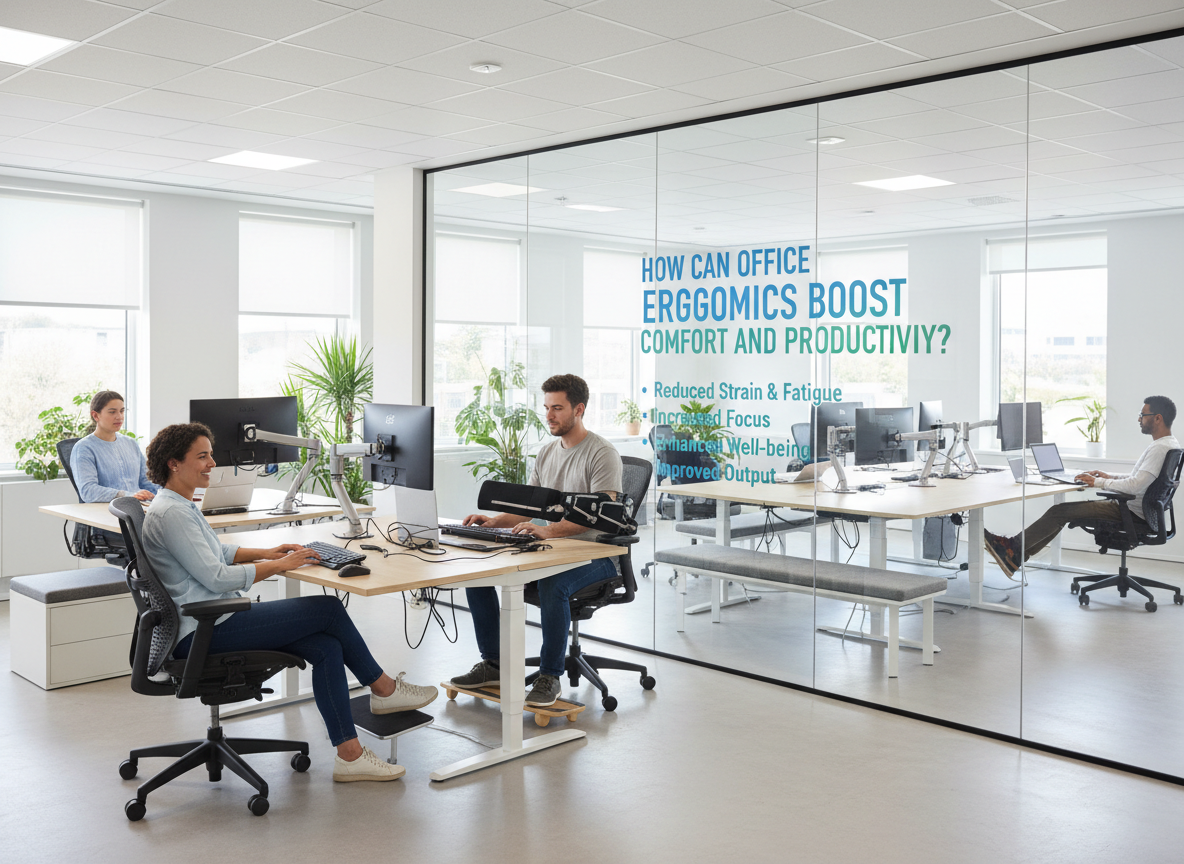
What Is Ergonomics and How Does It Improve Our Daily Lives?
Introduction: Understanding Ergonomics
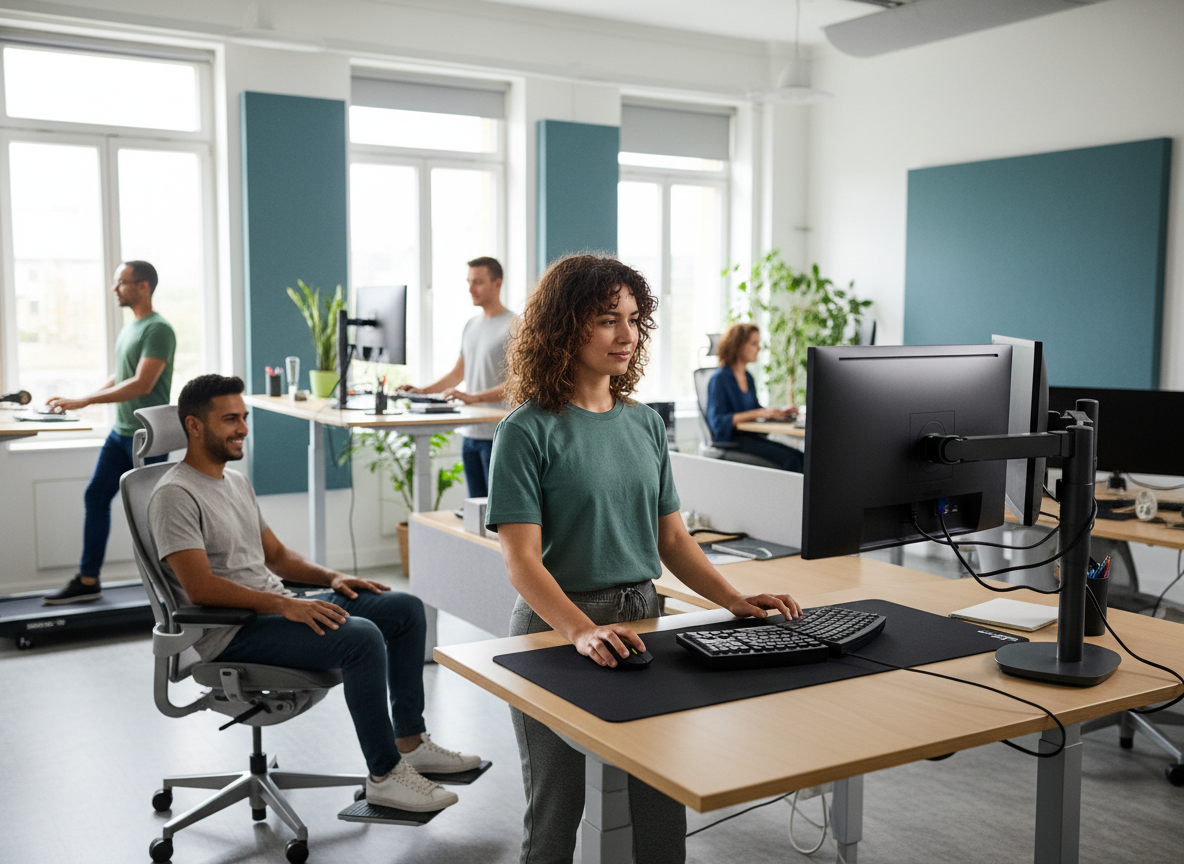
Ergonomics is the science of designing and arranging workspaces, tools, and tasks to fit the capabilities and limitations of the human body. In simpler terms, it’s about creating environments that are comfortable, efficient, and safe for people to work, live, and thrive in. Whether at home, in an office, or on a factory floor, ergonomics plays a key role in preventing discomfort and injuries while optimizing performance.
From your office chair to the way you hold your smartphone, ergonomics is everywhere—and it’s more important than you might realize.
The Importance of Ergonomics in Our Lives
1. Prevention of Injuries
Poor ergonomics is one of the leading causes of musculoskeletal disorders (MSDs) like back pain, carpal tunnel syndrome, and neck strain. These injuries typically result from poor posture, repetitive movements, and improper workstation setups. By integrating ergonomic principles into everyday life, we can prevent these types of injuries and improve overall comfort.
2. Boosting Productivity
When your environment is designed with ergonomics in mind, you can work more efficiently. Proper seating, the right tool for the job, and a well-structured workspace help reduce fatigue and discomfort, enabling you to focus better and get more done. With fewer breaks for pain or discomfort, productivity naturally increases.
3. Improving Well-being
Ergonomics is not just about physical comfort—it also impacts your mental health. A comfortable workspace can help reduce stress and boost mood, leading to better mental clarity and creativity. When you don’t have to deal with aches or discomfort, you can concentrate fully on the task at hand.
4. Enhancing Quality of Life
From your workstation to how you use your smartphone or even sleep, ergonomics touches every aspect of your daily life. Simple changes—like adjusting the height of your desk chair or the angle of your monitor—can have a big impact on how you feel throughout the day.
Key Principles of Ergonomics
1. Proper Posture
Maintaining good posture is at the core of ergonomics. Whether you're sitting or standing, proper alignment is crucial for minimizing strain on your body. A neutral posture—where the body is aligned and muscles are relaxed—helps prevent tension and injury.
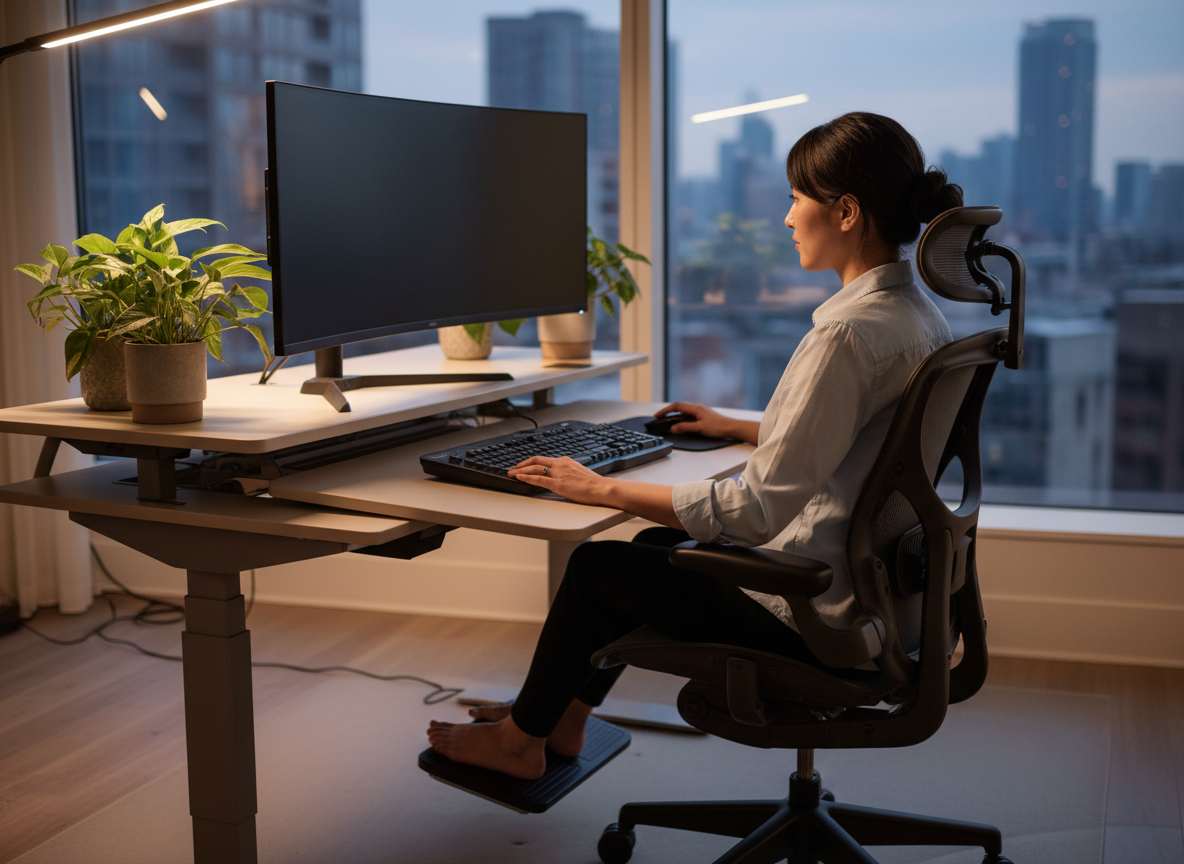
- Tip: Sit with your back supported, feet flat on the floor, and your knees at a 90-degree angle. Keep your shoulders relaxed and avoid slouching.
2. Adjusting Workspaces to Fit Your Body
One of the fundamental principles of ergonomics is ensuring that your workspace is tailored to your specific needs. The goal is to avoid awkward positions that cause strain. This means adjusting your desk, chair, and tools to fit your body size, reach, and comfort level.
- Tip: Ensure that your monitor is at eye level to avoid neck strain, and keep your keyboard and mouse within easy reach to prevent overextension.
3. Repetition and Movement
Performing the same task over and over can lead to repetitive strain injuries. Ergonomics encourages variety in tasks to reduce the strain on certain muscles and joints. Movement is essential to avoid stiffness and muscle fatigue.
- Tip: Take breaks, stretch, and change your position regularly. A simple walk around the office or standing desk options can be a great way to reduce strain.
4. Tool Design
Ergonomically designed tools and equipment are essential for minimizing discomfort. Whether it's an office chair, a kitchen knife, or a power tool, ergonomically designed items help users work with ease and reduce strain.
- Tip: Look for tools that are designed to fit the natural movement of the hand or body, such as ergonomic grips or adjustable settings.
Practical Applications of Ergonomics
1. In the Office
Office ergonomics are crucial for employees who spend long hours at desks, whether at work or home. By adjusting your workstation to fit ergonomic standards, you can prevent common workplace injuries like carpal tunnel syndrome, back pain, and eye strain.
- Chair: Look for an adjustable chair that supports your lumbar region and allows your feet to rest flat on the ground.
- Desk: Keep your desk at a height where your elbows form a 90-degree angle when typing.
- Monitor: Place your monitor at eye level to avoid neck strain. Adjust brightness and contrast to minimize eye strain.
2. In the Home
At home, ergonomics are often overlooked, but making small adjustments can greatly improve your comfort and health. Consider the ergonomics of how you sleep, sit while watching TV, or use your phone.
- Sleeping: Use a pillow that supports your neck and spine. Avoid sleeping on your stomach, as it can strain your neck and back.
- Phone Use: Hold your phone at eye level instead of bending your neck down. Prolonged use of handheld devices in awkward positions can lead to "tech neck."
3. In the Workplace (Industrial)
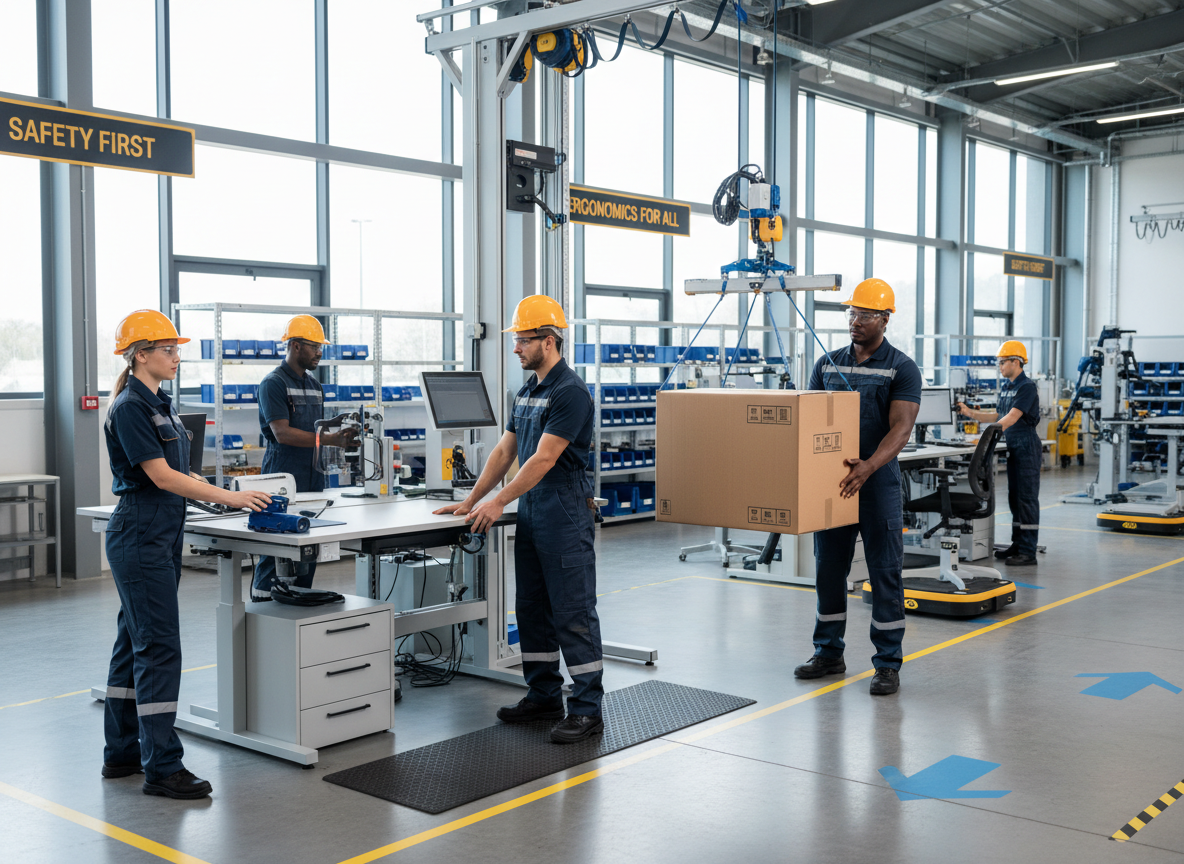
Ergonomics is crucial in industries that involve manual labor, heavy lifting, or repetitive movements. Ergonomically designed tools and workstations can reduce the risk of injury and fatigue in settings like factories, warehouses, and construction sites.
- Lifting: Use assistive devices (like forklifts or hoists) to minimize strain while lifting heavy objects.
- Workstation Layout: Arrange tools and materials to minimize bending, twisting, and overreaching.
The Future of Ergonomics: Technology Integration
As technology continues to evolve, so does ergonomics. In the future, we may see more advanced ergonomic solutions, such as:
- Wearable Devices: Smartwatches or wearable sensors that monitor posture and provide real-time feedback on how to improve posture or reduce strain.
- AI-Powered Workspaces: AI-driven systems that automatically adjust the height of desks, lighting, or monitor angles based on the user’s preferences and needs.
- Virtual Reality (VR): VR technology used to train workers in ergonomics, simulating different work environments and teaching proper posture and movement.
Conclusion: Small Changes, Big Results
Ergonomics is about more than just comfort—it’s about creating environments where people can thrive without the burden of pain or discomfort. Whether you're designing an office, optimizing a workspace, or adjusting daily habits, applying ergonomic principles can lead to a healthier, more productive life.
Making small adjustments to how we sit, work, or move throughout the day can have lasting benefits. In the long run, investing in ergonomics not only prevents injuries but also enhances our overall quality of life, making us feel better and perform better.
Call to Action:
Think your workstation might need an ergonomic upgrade? Start by making small changes—adjust your chair, set your monitor to eye level, and stand up to stretch every once in a while. A few simple tweaks can lead to big improvements in your comfort and productivity!