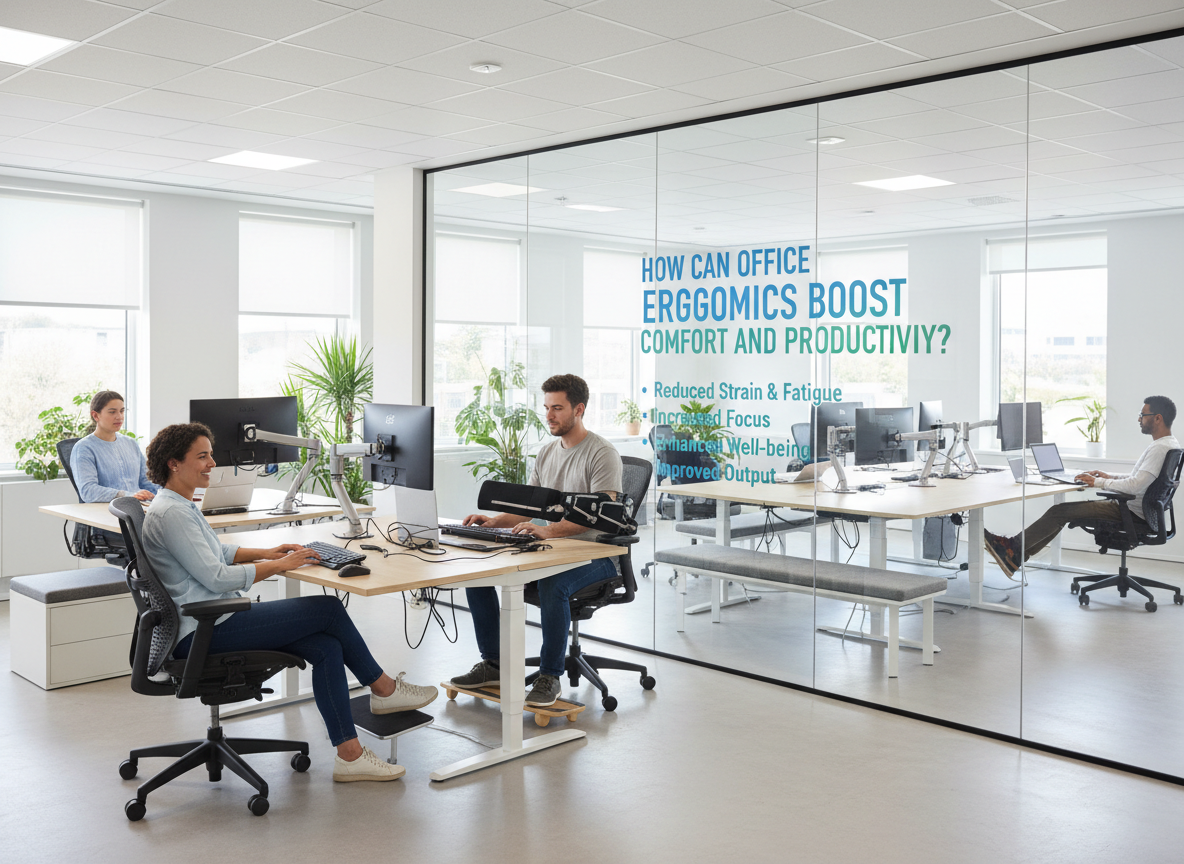
How Can Industrial Ergonomics Enhance Workplace Efficiency and Safety?
A Deep Dive into Industrial Ergonomics
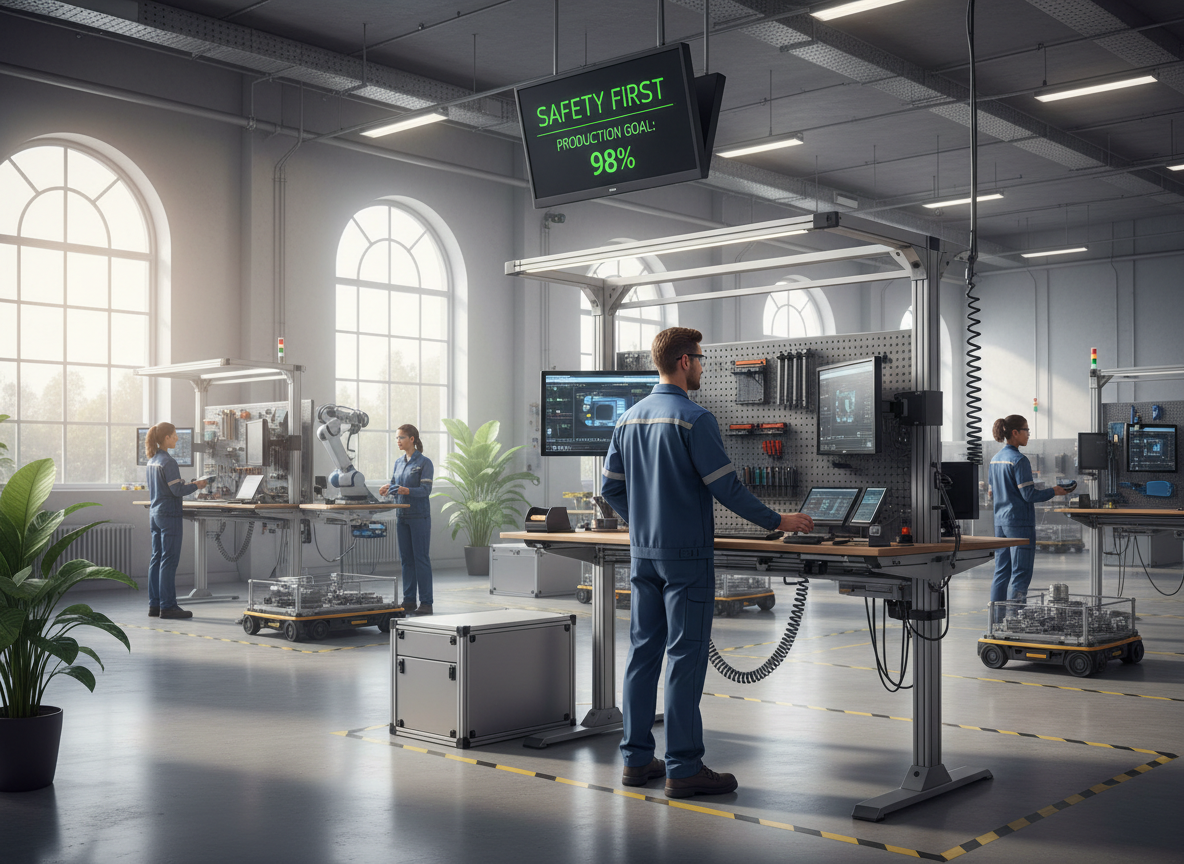
Introduction: What is Industrial Ergonomics?
Industrial ergonomics is the science of designing and arranging workplaces, tools, and tasks in a way that reduces discomfort and the risk of injury, while optimizing productivity. It’s a combination of anatomy, psychology, and engineering, with a focus on understanding how human workers interact with their environment. In industries such as manufacturing, warehousing, construction, and more, implementing ergonomics not only protects employees but also enhances efficiency and reduces costs associated with workplace injuries.
Why is Industrial Ergonomics Crucial?
1. Minimizing Work-Related Injuries
Workplace injuries, especially musculoskeletal disorders (MSDs) like back pain, carpal tunnel syndrome, and neck strain, are common in industrial settings. These injuries often arise from repetitive motions, poor posture, or heavy lifting. By designing workstations, tools, and workflows that fit the worker’s body and abilities, ergonomics reduces the risk of these injuries.
2. Boosting Productivity
When workers feel comfortable and are not struggling with physical discomfort, their efficiency and accuracy improve. Ergonomic design minimizes the need for frequent breaks, reduces fatigue, and keeps workers focused on the task at hand, resulting in better overall performance.
3. Improving Worker Satisfaction
A comfortable and safe work environment directly contributes to job satisfaction. Employees are more likely to stay engaged and have higher morale when they feel that their well-being is prioritized.
4. Reducing Costs
The costs associated with workplace injuries are substantial. Medical bills, workers' compensation claims, lost productivity, and employee turnover can quickly add up. Industrial ergonomics helps prevent these expenses by reducing the likelihood of injury and improving overall efficiency.
Key Principles of Industrial Ergonomics
1. Workstation Design
Ergonomic workstation design focuses on adjusting the workspace to suit the worker’s body size, strength, and reach. This includes the height of desks, the placement of tools, and ensuring that the worker can maintain a neutral posture.
- Example: Adjustable chairs and standing desks can help employees change positions throughout the day.
- Tools/Equipment: Using tools with handles that fit the natural grip of the hand can reduce strain.
2. Material Handling
In industries involving heavy lifting, material handling is a key area where ergonomics plays a significant role. Workers often need to lift, push, or pull heavy objects, which can strain the body if not done correctly.
- Solutions: Using lifting aids such as forklifts, pallet jacks, or adjustable-height platforms can significantly reduce the strain on workers.
3. Task Rotation
Repetitive tasks can cause strain, particularly when the same muscles are used over and over again. Task rotation involves periodically switching workers between different tasks to reduce the stress on any one body part.
- Example: A worker assembling parts for a few hours might switch to a more sedentary task like inspecting completed products.
4. Posture and Movement
Maintaining proper posture and avoiding excessive bending, twisting, or overreaching is essential to preventing strain. Encouraging workers to take frequent breaks and perform stretches can also mitigate the negative effects of prolonged standing or sitting.
- Tip: Using sit-to-stand desks or platforms that adjust height based on the task helps workers maintain neutral postures.
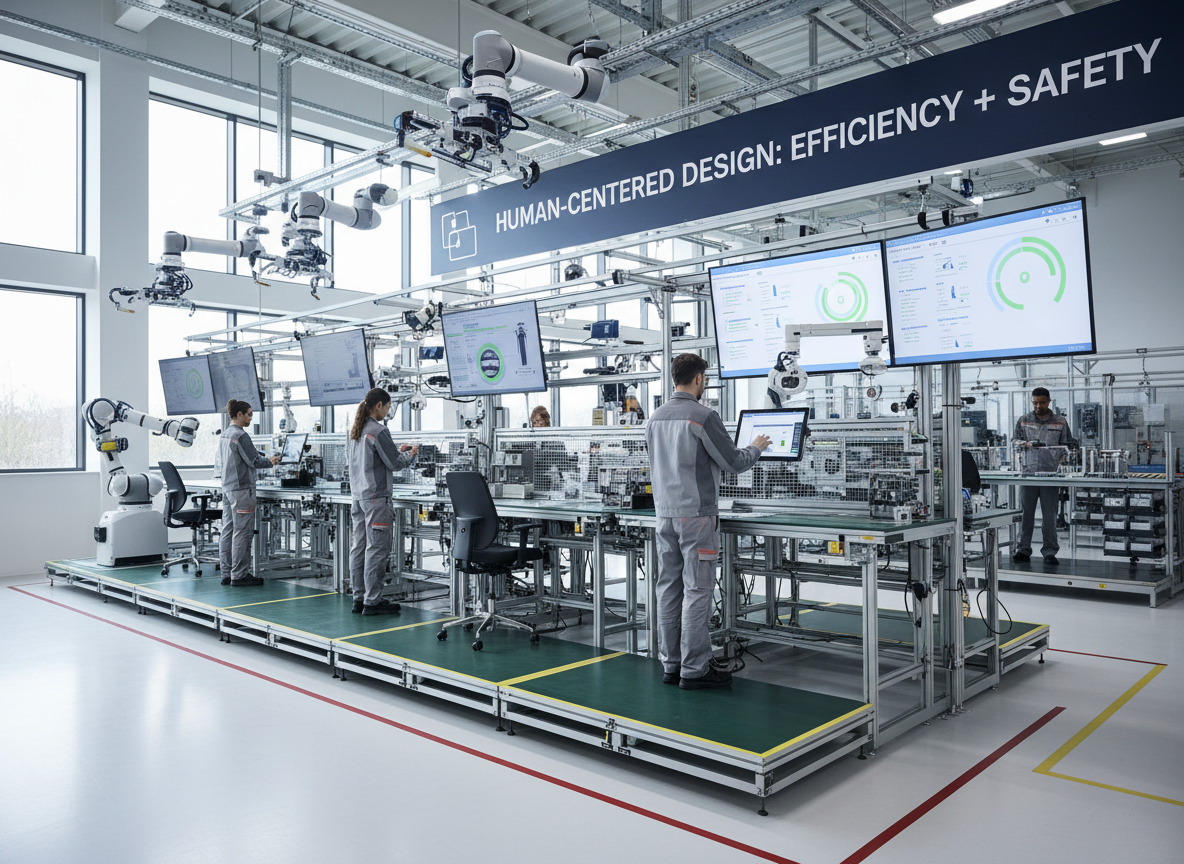
Implementing Ergonomics in an Industrial Setting
Implementing an effective ergonomics program requires a systematic approach. Here’s how businesses can get started:
1. Conduct an Ergonomic Assessment
Start by assessing the workplace to identify areas that may pose risks to workers' health. This could include high-risk areas like repetitive motion tasks, heavy lifting, or awkward postures. Engage employees in the process, as they can provide valuable insights about their discomfort and needs.
2. Design and Adapt Workstations
Based on the findings from the ergonomic assessment, adapt workstations to minimize strain. This might involve:
- Adjusting the height and angle of equipment
- Replacing manual tools with power tools to reduce effort
- Introducing adjustable seating and standing options
3. Invest in Ergonomic Tools and Equipment
Ergonomic tools such as power-assisted equipment, tool grips, and ergonomic chairs or mats can make a significant difference in worker comfort and health.
4. Provide Training
Training employees on proper lifting techniques, posture, and how to adjust their workstations to suit their needs is key. A well-informed workforce is more likely to engage in healthy behaviors and follow ergonomic guidelines.
5. Encourage a Culture of Safety
Promote an ongoing commitment to ergonomics by encouraging workers to report issues and recommending improvements. Regular safety checks and feedback loops will help ensure that ergonomics remain a top priority.
The Future of Industrial Ergonomics
As technology advances, so does the potential for improving industrial ergonomics. The integration of automation, AI, and wearable tech can offer even greater opportunities for enhancing worker safety and comfort. For example, wearable exoskeletons designed to assist with lifting heavy loads are already being tested in some industrial settings.
Additionally, virtual reality (VR) is being used to simulate workplace environments, allowing businesses to test ergonomic designs before implementing them in real life.
Conclusion: A Win-Win Strategy
Industrial ergonomics isn’t just about reducing injuries—it’s about creating a sustainable and efficient workplace. When employers prioritize ergonomics, they create an environment where workers are healthier, happier, and more productive. It’s a strategy that not only benefits employees but also leads to increased efficiency and profitability for the company.
So, whether you’re running a manufacturing plant or overseeing a warehouse, remember: better ergonomics means better business.
Call to Action:
Looking to improve the ergonomics of your workplace? Start with a simple ergonomic audit and identify areas for improvement. Your team’s health and productivity depend on it!